Drug Abuse
Having a substance abuse disorder is unfortunately common. The good news is that it’s treatable.
Substance Abuse Disorder, like any addiction, is a disease that affects a person’s brain and behavior. Individuals with this disease are unable to control their drug usage and experience health problems and behavioral challenges.
Many people successfully recover with the right kind of care through substance abuse treatment. Here we help you identify signs of drug abuse and the next steps you can take.
GET HELP NOW | CALL 1-866-559-3295
What Are Signs of Drug Abuse?
You’ll need to be observant and discerning to determine if someone is suffering from drug abuse. The first step is to recognize warning signs, which can be a single symptom or a combination of symptoms.
Physical Symptoms
There are many physical signs you can observe if someone is suffering from drug addiction. Here are some to look out for:
- Bloodshot eyes or dilated pupils
- Slurred Speech
- Marks on the skin
- Impaired coordination
- Sudden weight loss or weight gain
- Poor grooming habits and personal hygiene
- Tremors or seizures
- Behavioral Symptoms
Changes in behavior are common symptoms of substance addiction. These changes may be sudden or develop over time. Take note if you notice any of the following:
- Neglecting responsibilities
- Mood swings and emotional outbursts
- Significant changes in appetite, eating habits and sleeping patterns
- Decline in attendance to school or work
- Increased anxiety and paranoia
- Losing interest in regular activities and hobbies
- Demanding or stealing money
How Can I Help Someone Abusing Drugs?
It can be scary when someone you care about is abusing substances. The first thing to do is take a deep breath and clear your mind as best you can. Addressing anyone with a substance abuse disorder requires a calm and compassionate approach.
There are some definite dos and don’ts for helping someone with a substance abuse disorder.
Do:
- Educate yourself: Learn about substance abuse disorders. Doing so will help you be empathetic to your loved one’s addiction.
- Get support: Rally other caring adults, talk with them beforehand and get on the same page.
- Be calm: You are allowed to honestly communicate your concern. Be compassionate and understanding, and prepare for possible tempers or defensiveness.
- Listen: Allow space for the other person to express themselves. Show them you care about what they have to say.
- Offer resources: Whether it’s a substance abuse treatment program, a counselor or a hotline, offer helpful resources for them to move forward. They may initially reject it, but it’s good to introduce them to available help.
Don’t:
- Wait: You don’t have to wait to have the conversation. Talk to the person as soon as possible.
- Be confrontational: Avoid threats, punishment or arguments.
- Bribe or preach: Making emotional appeals or offering something in return won’t help their recovery, and neither will lecturing.
- Expect immediate results: The road to recovery can be a winding path. One conversation or referral won’t immediately cure the disease.
No matter what, it’s important for you to set boundaries and take care of yourself. Trying to help someone with their addiction can be extremely distressing. Access your own support system, talk to trusted family and friends, and don’t neglect your needs.
Get the Help You Deserve at Wellcome Manor
At Wellcome Manor, we are dedicated to providing a safe environment for substance abuse treatment. We have a wide range of affordable treatment programs located throughout Minnesota that treat all types of substance abuse.
Call us today at 1-866-559-3295 if you are concerned about a loved one or yourself. Our compassionate staff of experts will listen and guide you forward.
Commonly Abused Drugs In Minnesota
People Admitted
Cocaine:
In 2010, 2,191 people entered treatment and were admitted to treatment for cocaine abuse. This figure is down from 4,816 people admitted for treatment in 2007.
People Admitted
Heroin:
The number of people addicted to prescription drugs combined with the curtailment of prescription drugs on the street has created an upsurge in heroin use. Heroin is a cheaper and a more readily available substitute for prescription drugs, especially opiates. In 2010, 2,350 individuals entered Minnesota treatment facilities for heroin addiction treatment.
People Admitted
Marijuana:
Marijuana was the most commonly abused drug among those people who entered drug and alcohol treatment in 2010. That same year, 9,543 people were admitted to treatment for marijuana addiction. 76.7 % of all those admitted for marijuana addiction treatment were males. The numbers of people who have entered drug rehabs for marijuana has risen slightly since 2000.
People Admitted
Amphetamines:
The number of people needing treatment for methamphetamine and amphetamines continues to increase though there are some variables. The overall increase is alarming. Starting in 2003, 1,022 people entered drug treatment for amphetamine addiction. Four years later during 2007, the number had jumped to 7,159 people admitted to treatment for substance abuse.
People Admitted
Other Opiates:
From 2004 to 2010 the number of people who entered treatment for opiate addiction other than heroin rose from 1,363 to 4,580. This is part of a national trend that all states are experiencing. The largest age group seeking treatment for other opiates was among the 21-25 year olds.
Legal Impact Of Drug Crimes
Hustling in the drug scene isn’t as fabulous as you might think. Not many people realize the consequences far outweigh the risks. Let’s break it down for you in Minnesota, where if you’re convicted of possessing illegal drugs, your penalty for the crime will fall into one of five different degrees, categorized by what and how much you’re possessing. Each has a legal consequence, which doesn’t include the ripple effect your choice makes on the lives of those around you.
Looking At The First Three Degrees, This Is How It Breaks Down:
THIRD-DEGREE POSSESSION
Third-degree possession is any of the following:
over 10 grams of most narcotics, 3+ grams of heroin, and more than 10 kilos of marijuana.
You can be penalized with up to 20 years in prison and 250 thousand dollars worth of fines.
SECOND-DEGREE POSSESSION
Second-degree possession is broken down as:
25+ grams of cocaine or meth, over 50 grams of most other narcotics, 6+ grams of heroin, more than 100 doses of a hallucinogenic drug, over 25 kilos of end-user marijuana or more than 100 marijuana plants.
Penalties can see you from 3 to 25 years in prison and up to 500 thousand dollars in fines.
FIRST-DEGREE POSSESSION
First-degree possession looks like:
50+ grams of cocaine or meth, more than 25 grams of heroin, over 50 kilos of marijuana products or 500+ marijuana plants.
If you’re convicted of possessing any of those drugs to that amount, you can face from 4 to 30 years in prison and up to one million dollars in fines.
How you’re penalized depends on multiple factors, but the point is, if you possess illegally, you’re putting yourself, your future and everything you love at risk. It’s not a gamble you want to take.

What We Treat
Wellcome Manor is much more than Substance Use Disorder Treatment. We use a comprehensive approach where each client is paired with a Licensed Alcohol and Drug Counselor as well as a mental health therapist to address your unique mental, physical, emotional, and spiritual health needs.

Our Programs
In developing individualized personalized care plans for women, we use a variety of therapeutic approaches based on your needs and desires – including women’s issues groups, mindful meditation, health education, parent education, 12 step, cognitive behavioral therapy, relapse prevention and more.
Why Wellcome Manor
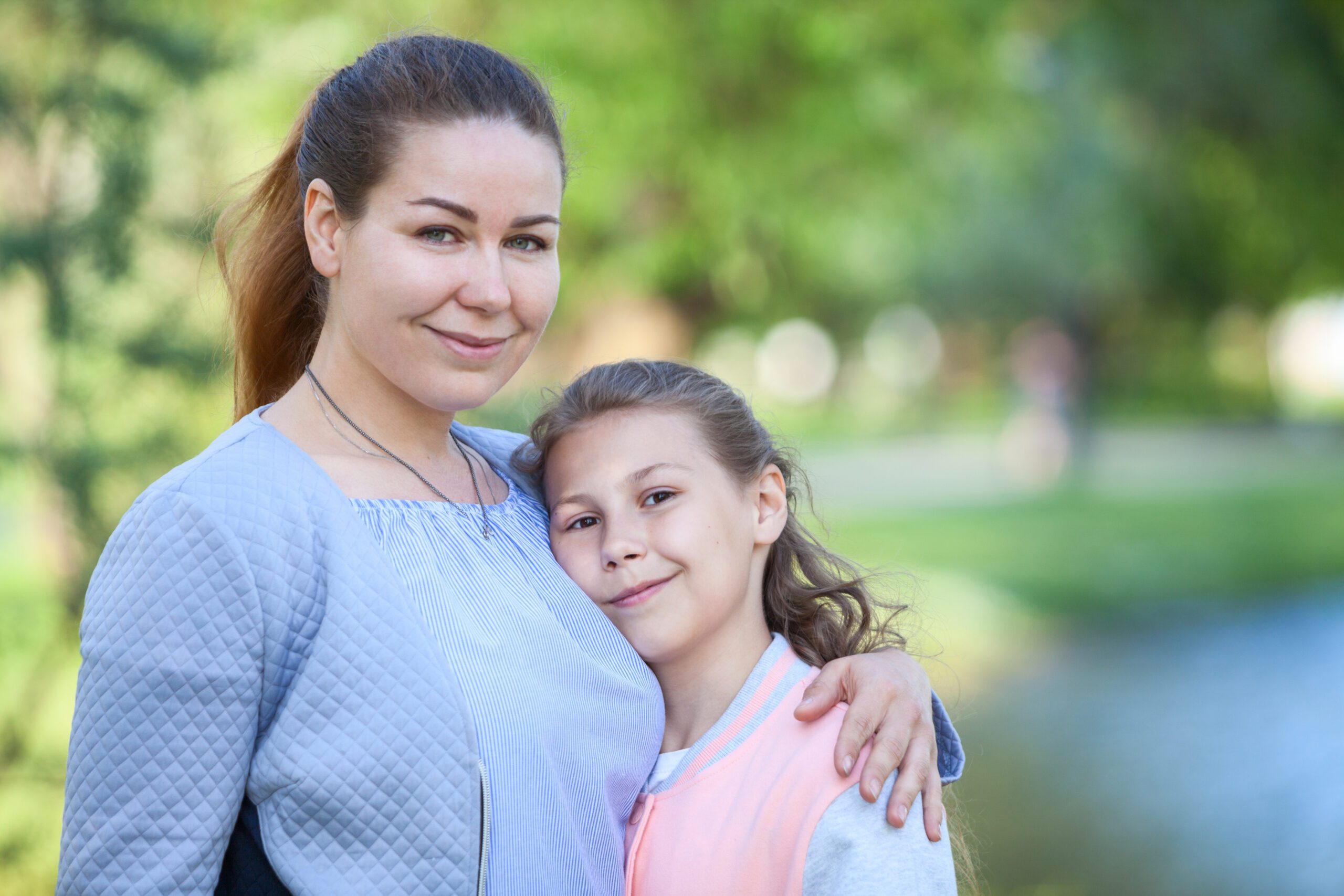
Since 2007, we have provided women and women with children a safe and supportive environment to recover from substance abuse and co-occurring disorders. Each individual in our care is treated with a personalized and holistic approach specifically for women.